UTM parameters
Also called UTM tags, UTM codes
UTM parameters are short tags added to the end of a link, like ?utm_source=instagram&utm_campaign=diwali, that tell your analytics where a visitor came from.
Why use them
Without tags, visits from an Instagram bio link, a WhatsApp broadcast and a paid ad can all look the same in analytics. With them, you can see which source brought the sales and enquiries.
A simple naming rule
- utm_source: where it's shown (facebook, instagram, google, whatsapp).
- utm_medium: the type (paid, social, email).
- utm_campaign: the campaign (diwali-sale, new-collection).
- Use lowercase and the same words every time, or reports split into many rows.
Example: finding the winning ad in Analytics
A D2C brand adds utm_source=facebook, utm_medium=paid_social, utm_campaign and utm_content to every Meta ad, filled automatically from campaign and ad names.
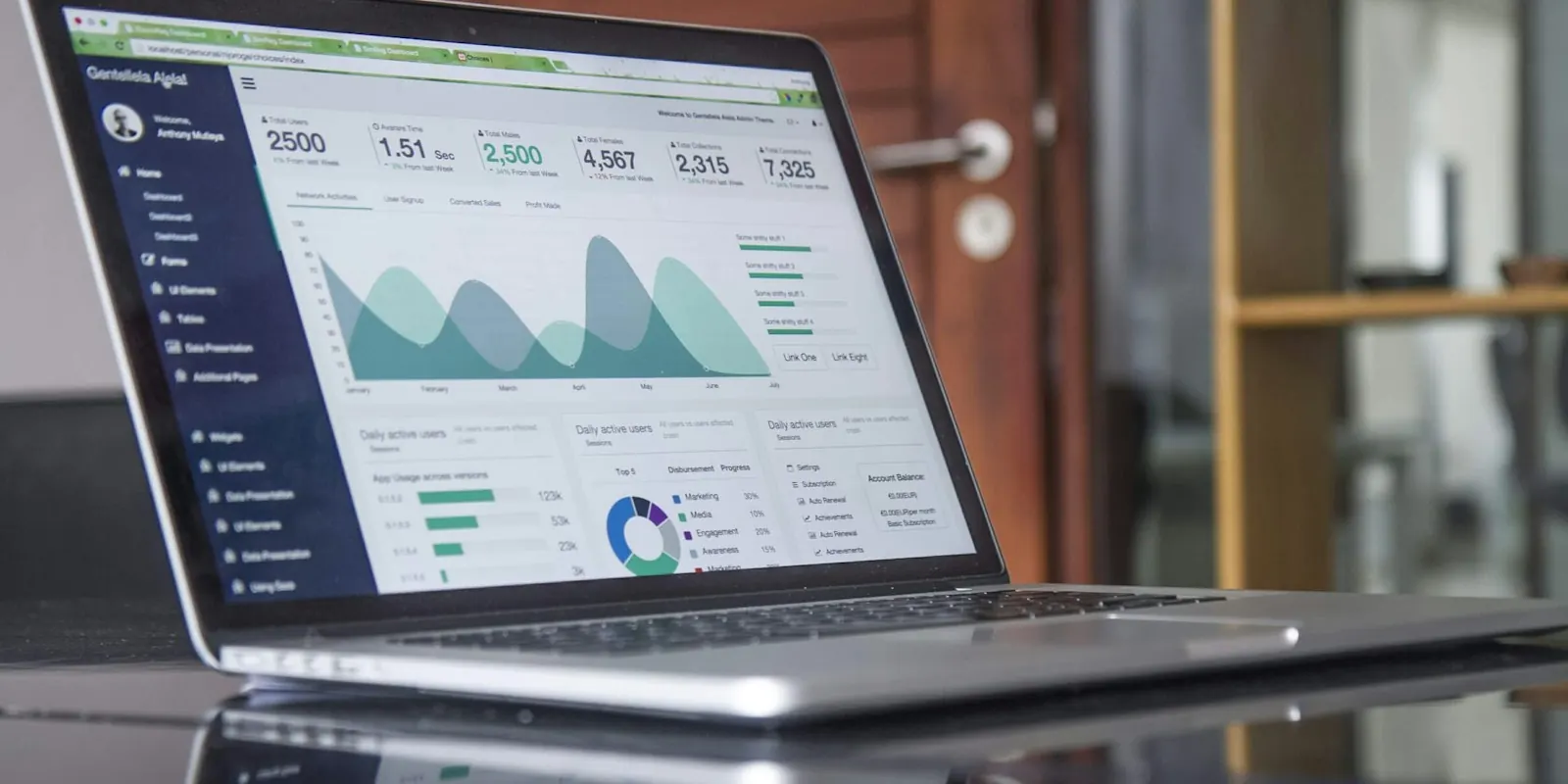
In Google Analytics, it sees that one Reel brings visitors who browse three times more pages than the others, which helps explain why it sells best.
Common mistakes
- Inconsistent names (Facebook, facebook, fb).
- Forgetting UTMs on some ads.
- Adding UTMs to Google Ads when auto-tagging already handles it.
Quick quiz · 1 questions
Check yourself: UTM parameters
1. What do UTM tags do?
0 of 1 answered
Guides that use UTM parameters
Frequently asked questions
Usually not, if Google Ads is linked to Google Analytics, because auto-tagging does the job. Use them for Meta, email, WhatsApp and other links.
No, as long as they're added correctly after the address. Test one link before a big campaign.