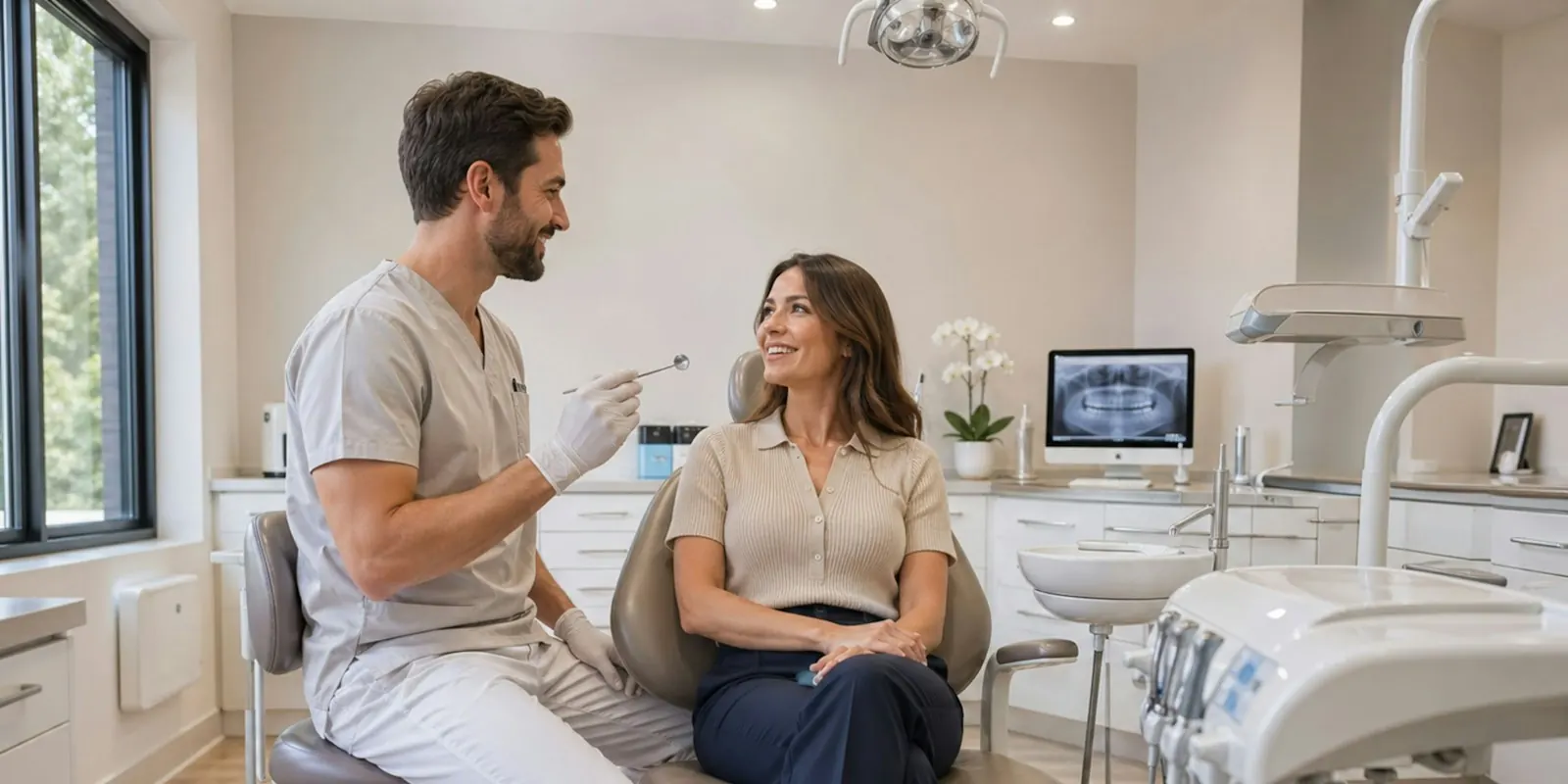
Patients search for a dentist or a skin clinic when they need one, and they choose the clinic that looks trustworthy and easy to book. Here is how clinics can use Google and Facebook ads to be that clinic, and what India's medical advertising rules mean for the ads you can run.
A clinic is not like a shoe brand. Nobody scrolls Instagram hoping to discover a root canal. People look for a clinic when something hurts, when a child needs a check-up, or when they finally decide to fix that skin problem. When they do, they search Google, ask on WhatsApp, read reviews and call the place that feels reliable and nearby.
That shapes how a clinic should advertise. This guide covers dental, dermatology, physiotherapy, eye, fertility and general practice clinics, and the same ideas apply to diagnostic labs and small hospitals.
First, the rules for medical advertising
Medical advertising in India has its own rules, and they changed recently. In October 2026 the National Medical Commission issued guidelines on ethical advertising and public communication for doctors and hospitals, covering websites, social media, WhatsApp and influencer marketing. Based on reporting of the guidelines, doctors and clinics should not:
- Use patient testimonials, success stories or promotional before-and-after photos.
- Claim to be the 'best', 'No. 1' or to 'guarantee' a cure or result.
- Offer discounts, free procedures, contests or referral benefits that push people towards treatment they may not need.
- Use fear to sell procedures or tests.
- Buy followers, reviews or ratings, or use AI to create fake endorsements.
- Share anything that could identify a patient.
What is allowed is factual, verifiable information: your clinic's name, location, timings, services, doctors and their qualifications, facilities, and fees. Health education is also fine, as long as it doesn't solicit patients. Read the guidelines yourself or ask your professional body before you advertise, because this article is not legal advice.
Meta and Google also have their own policies. Meta doesn't let advertisers target people by health conditions, and Google restricts some healthcare and medicine ads. In practice, that means you target by location and let the ad's message find the right people.
Start with Google: be there when people search
Most clinic patients start with a search. 'Dentist near me', 'skin specialist in Andheri', 'physiotherapist for back pain' and 'eye check-up price' are searches from people who need help now. Two things put you in front of them.
Your Google Business Profile
This is the listing that appears on Google Maps and in the map results for local searches. It's free, and for many clinics it brings more calls than any ad. Fill in every part: services, timings, photos of the clinic (not patients), the doctors, and a booking link or WhatsApp number. Reply politely to every review. Asking patients to leave an honest review is fine; offering anything in return is not.
Google Search ads
Search ads put your clinic at the top for searches you choose. For clinics, keep them tightly focused:
- Target only the area patients will actually travel from, usually 5 to 10 km around the clinic in a city.
- Choose keywords for the services you want more of, such as 'root canal treatment' or 'acne treatment', not just your specialty.
- Add negative keywords for job, course, salary and free searches, so you don't pay for students and job seekers.
- Add a call button and your location to the ad. Many patients would rather call than fill in a form.
- Run ads during clinic hours, when someone can answer the phone.
Our guide to Google Search ads for local businesses walks through the setup step by step.
Then Facebook and Instagram: build familiarity
On Facebook and Instagram, people aren't looking for a clinic, so ads work differently. Their job is to make your clinic familiar and trusted before the moment of need, and to remind people who already know you. Good clinic ads here are educational and factual:
- Short videos of a doctor explaining a common question: 'When does a toothache need a root canal?', 'Is hair fall after pregnancy normal?'
- A tour of the clinic: hygiene, equipment, the waiting area, parking.
- The doctors, their qualifications and the services they offer.
- Clear information on timings, location and how to book.
- Published consultation fees, if you're comfortable sharing them. Factual fees are allowed and they reduce hesitation.
Target by location, around the clinic, and keep the audience broad. Then run reminder ads to people who watched your videos or visited your website, with a simple 'Book a consultation' message.

Make booking effortless
The ad only gets someone to the door. Booking decides whether they walk in. Most clinics lose patients here, not in the ad:
- Answer calls. A missed call from an ad is a lost patient. If the front desk is busy, have a callback rule, ideally within the hour.
- Offer WhatsApp. Many patients prefer to message. A WhatsApp button in the ad and on the website, answered quickly, books more appointments than a form.
- Keep forms short. Name, phone and preferred time is enough.
- Confirm and remind. A message the day before the appointment reduces no-shows.
Our article on why leads don't pick up the phone covers follow-up in more detail.
What to measure
For clinics, the number that matters is the cost of a booked appointment that actually turns up. Track it in three steps:
- Calls, WhatsApp messages and form enquiries from ads, tracked as conversions.
- Booked appointments: ask the front desk to note how each new patient heard of you.
- Visits: appointments that turned up.
Compare the cost of a visit with what a new patient is worth to the clinic over a year, not just the first consultation fee. A dental patient who comes back for cleanings, or a physio patient who books a course of sessions, is worth far more than one visit.
A simple monthly plan for a single clinic
Most clinics don't need a complicated setup. A steady, simple routine works better than bursts of activity:
- Week 1: update the Google Business Profile, check the website on a phone, and set up call and WhatsApp tracking.
- Week 2: launch Google Search ads for your two or three most important services, within your catchment area.
- Week 3: publish two short educational videos from a doctor, and run them as ads to people nearby.
- Week 4: review calls, bookings and visits, pause keywords that brought no patients, and plan the next month's topics.
After the first month, keep the Search ads running, add one or two new educational videos a month, and run reminder ads to people who watched them. Seasonal topics help: monsoon skin care, back-to-school eye checks, winter joint pain, festive season dental check-ups.
Mistakes clinics often make
- Advertising across the whole city when patients only travel a few kilometres.
- Sending ads to the home page instead of a page for the service someone searched for.
- Letting calls from ads go to voicemail during busy hours.
- Using stock photos of models instead of your real clinic and doctors.
- Copying ads from other clinics that use testimonials, discounts or 'best in city' claims. They may break the rules, and they make you look like everyone else.
Ad ideas by speciality
- Dental: comfort and technology, transparent check-up prices, the dentist explaining a common procedure.
- Physiotherapy: pain relief stories (with consent), the first-visit process, home visits if offered.
- Dermatology: consultation offers, the doctor's credentials, education about common concerns (no exaggerated before-and-afters).
- Eye care: free or low-cost eye tests, frame ranges, the clinic's equipment.
- Diagnostics: home sample collection, package prices, report turnaround time.
Staying within the rules
Health ads need care. Avoid guaranteed cures, misleading before-and-after images and personal attributes in copy ("Do you have back pain?" can be rejected; "Back pain treatment in Baner" is fine). Follow your professional council's guidelines and ASCI's code. Honest, specific ads also attract more serious patients.
For the local side of clinic marketing, see the local business ads guide, and for turning enquiries into appointments, our lead generation ads guide.
A month-one plan for a clinic
- Week 1: complete the Google Business Profile, set up WhatsApp Business with quick replies, and add call and booking tracking.
- Week 1: launch Google Search ads for your top two treatments in a 5 to 8 km radius, during clinic hours. See Google Search ads for local businesses.
- Week 2: launch Meta ads with three different concepts: the doctor introducing the clinic, a comfort-focused ad for nervous patients, and a clear check-up offer. See creative diversification.
- Weeks 3 and 4: track which source brings attended appointments, not just enquiries. Cut what doesn't.
Measuring what matters for clinics
- Cost per attended first appointment, not cost per lead.
- Share of enquiries answered within 15 minutes. See speed to lead.
- Repeat visits and treatment plans started, which decide what a patient is worth.
Self-assessment · about 2 minutes
Is your clinic ready to advertise?
A quick check before you spend on ads.
1. Is your Google Business Profile complete, with photos and recent reviews?
2. Can patients book or message on WhatsApp?
3. Are enquiries answered within 15 minutes during clinic hours?
4. Do your ads avoid exaggerated or guaranteed results?
5. Do you track which enquiries became appointments?
Answer all 5 questions to see your result (0 done).
Frequently asked questions
Yes. Clinics can advertise factual information about their services, doctors, facilities, location and fees, and can share health education. What's restricted is soliciting patients with testimonials, guarantees, superiority claims, inducements and before-and-after promotions. Check the NMC's current guidelines before you run ads.
No. Patient testimonials and success stories in promotions are not allowed under the NMC guidelines. Patients can still leave reviews on your Google Business Profile; just don't use them in ads, and never buy or fake them.
Start with what a new patient is worth to you and test for a month. Many clinics start with Google Search alone, since it catches people who are already looking. If you'd like help setting up clinic ads that stay within the rules, talk to us.