
Real estate ads can bring hundreds of enquiries a month, and still very few site visits. Here's how builders, developers and agents can run Facebook, Instagram and Google ads that bring serious buyers, and turn their enquiries into visits.
Real estate is one of the biggest users of Facebook lead ads in India, and one of the most frustrated. A new project launches, the ads go live, the leads pour in at ₹50 or ₹80 each, and the sales team spends the week calling people who say they were 'just checking' or who never answer.
Buying a home is a decision that takes months, involves the whole family and usually depends on a loan. Ads can't rush that. What they can do is find the people who are genuinely in the market, start the conversation, and keep your project in mind until they're ready to visit.
Get the basics right before you spend
- RERA details. Under the Real Estate (Regulation and Development) Act, a registered project's ads must show its RERA registration number and the RERA website. Put them on every ad, landing page and brochure.
- Meta's housing rules. Meta treats housing as a special ad category in some countries, with limits on targeting by age, gender and narrow locations. Check what Ads Manager asks you to declare for your account, and plan your targeting around it.
- One campaign per project. Buyers searching for a 2BHK in one suburb are different from those looking at villas elsewhere. Separate campaigns keep budgets, messages and results clear.
- Honest pricing. 'Starting from ₹65 lakh, all-inclusive' attracts the right budget. Hiding the price brings enquiries you'll never convert.

Which platform does what
Google Search catches people actively looking: '2BHK flats in Whitefield', 'ready to move apartments in Noida Extension', 'plots near Mohali airport'. These enquiries cost more but are usually much more serious. Use phrase and exact match keywords for the project's area and configuration, and add negatives for rent, PG, jobs and resale if you only sell new projects.
Facebook and Instagram reach people before they search and keep the project visible during a long decision. They work best with:
- A walkthrough video of the sample flat or the site, shot vertically.
- Location: travel times to offices, schools, the metro and the airport.
- Floor plans with sizes and prices.
- Construction progress updates, which build trust for under-construction projects.
- Offers that are real and time-bound, such as a festive booking amount or waived floor rise.
YouTube works well for longer walkthroughs and for reminding people who already showed interest.
Lead forms that filter, not just collect
Instant forms make enquiring easy, which is why they also attract casual browsers. Add a little friction that serious buyers don't mind:
- Use Meta's 'Higher intent' form type, which adds a review step before the form is submitted.
- Ask when they plan to buy: within 3 months, 3 to 6 months, or just exploring.
- Ask their budget in ranges that match your inventory.
- Ask which configuration they want: 2BHK, 3BHK or plot.
- Ask whether they've arranged a home loan, or need help with one.
These answers let your team call the hottest buyers first, and they tell you which ads bring real buyers. Our guide to why Facebook leads don't pick up the phone explains these settings in detail.
The hours after the enquiry decide everything
A buyer who enquires about your project has probably enquired about three others the same evening. The first builder to call, answer questions well and send useful details usually gets the site visit.
- Call within minutes, during the hours you run ads. Send leads straight to the sales team's phones, not to a spreadsheet checked once a day.
- Follow up on WhatsApp with the brochure, floor plans, price sheet, location pin and a walkthrough video.
- Offer specific visit slots: 'Saturday 11 am or Sunday 4 pm?' works better than 'visit any time'.
- Arrange pick-up for weekend visits if you can. It removes the biggest excuse.
- Keep in touch with people who aren't ready: a monthly update on construction or a new offer keeps you in mind for when they are.
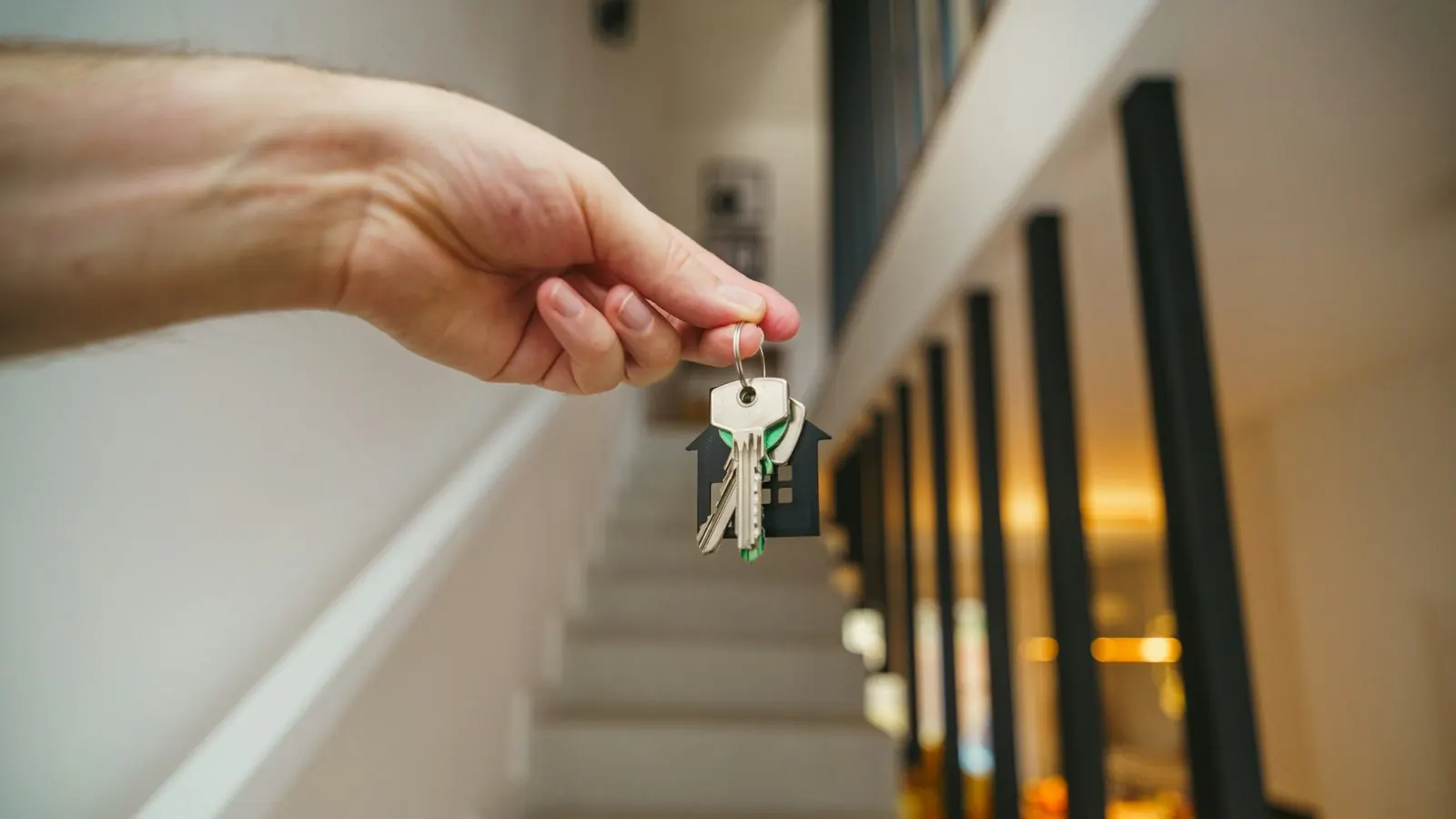
Reminder ads for a long decision
Most buyers won't book on the first visit, or the first ad. Run reminder ads to people who watched most of your walkthrough video, visited the project page or submitted a form. Change the message over time: first the project, then the location, then progress photos, then the offer and the visit slots.
Measure site visits, not leads
Cost per lead is the most misleading number in real estate. Track the whole path in a simple sheet or your CRM:
- Leads, and the share your team actually spoke to.
- Site visits booked, and visits that happened.
- Bookings, and the cost of each in ad spend.
If you can, send the outcome of each lead back to Meta, so the ads learn which people became site visits. Over a few weeks, that shifts spend towards buyers who resemble the ones who visited.
Plan the budget around the project's stage
A project's advertising needs change as it moves from launch to possession. Plan in phases rather than one flat budget:
- Pre-launch and launch: the highest spend. Build awareness of the location and the price, collect enquiries, and fill weekend site visits.
- Under construction: a steadier budget. Construction updates, home loan offers and reminder ads to people who enquired but didn't book.
- Ready to move: focus on the remaining inventory, with walkthrough videos of the finished flats and clear prices.
Within each phase, put more money into weekends and festivals, when families visit sites, and less into the middle of the week.
Make the landing page work as hard as the ad
Many real estate ads send people to a long brochure page that loads slowly on a phone. A good project page answers the buyer's first questions in the first screen:
- Project name, location and RERA number.
- Configurations with carpet area and the starting price.
- A short walkthrough video and a few real photos.
- Travel times to the places buyers care about.
- A short form, a call button and a WhatsApp button.
Test the page on a mid-range phone on mobile data. If it takes more than a few seconds to load, buyers leave before they see the price.
Mistakes that waste real estate budgets
- One campaign for every project, so the budget drifts to whichever project gets the cheapest clicks.
- Targeting the whole state when buyers come from a few nearby areas and a few cities with migrants from your region.
- Judging ads on cost per lead, and switching off the ads that brought fewer but better buyers.
- Leaving leads uncalled until the next morning.
Using video well in real estate ads
Video does more than photos in real estate, because buyers want to feel the space. Shoot vertically on a phone with a stabiliser, walk slowly from the entrance through each room, and show the view from the balcony. Add captions with the room sizes and the price, since many people watch without sound. Keep the first video under a minute and save longer walkthroughs for people who already showed interest.
Five concepts every project should run
- The walkthrough: a vertical video of the sample flat, filmed in daylight.
- The facts card: price, size, location, possession date and RERA number.
- The neighbourhood: schools, offices, metro and hospitals with travel times.
- The family story: an existing resident from a previous project (with permission).
- The investor angle: rental demand and area infrastructure, only with verifiable facts.
From lead to site visit in 48 hours
- Call within 15 minutes; confirm budget, timeline and preferred configuration.
- WhatsApp the brochure, floor plan and a location pin.
- Offer two specific site-visit slots, including a weekend option.
- Send a reminder the evening before, with directions and the sales person's name.
- Mark the lead as "visited" and send that status back to Meta.
See how we help real estate businesses and Andromeda for lead generation.
Real estate ads under Meta Andromeda
Housing ads fall under Meta's special ad categories, so detailed targeting is limited anyway. That suits how Meta Andromeda works: broad delivery where buyers live, with the creative doing the targeting. Make separate concepts for first-time buyers, upgraders, investors and NRIs, each with price, location and possession date. See Andromeda for lead generation.
Worked example: cost per site visit
An illustrative project spends ₹1,50,000 in a month. Generic "luxury living" ads bring 600 leads at ₹250 each, but only 6 site visits: ₹25,000 per visit. Specific ads with price, size and possession date bring 250 leads at ₹600 each, and 20 site visits: ₹7,500 per visit. The specific ads cost more per lead and far less per visit. Judge real estate campaigns on cost per site visit and per booking.
Quick quiz · 3 questions
Real estate ads quiz
1. Why can't you use detailed age and interest targeting for housing ads?
2. Which ad usually brings more site visits?
3. What should you judge real estate campaigns on?
0 of 3 answered
Frequently asked questions
It depends on the project's price, inventory and launch stage. A simple way to decide: estimate how many site visits it takes to sell one unit, and what you can afford to pay for a visit. Test for a month, then fund the ads that bring visits.
Property portals reach people already looking, and they're worth listing on. Your own ads let you control the message, build your brand and own the leads. Many builders use both, and compare cost per site visit.
Yes. Agents can run the same kind of ads for listings or a locality, on smaller budgets. Focus on one area you know well. If you'd like help running real estate ads, see our real estate page.