
Cheap leads that never answer are the most common complaint about Facebook lead ads, especially in real estate, coaching and education. The fix is rarely the ad itself. It is the form, the questions, the speed of your reply and what you tell Meta about which leads were real.
You run a lead ad, the leads come in at ₹40 each, and it feels like a win. Then your team starts calling. Half the numbers ring out. Some people don't remember filling in anything. A few say they were just looking. By the end of the week, the cheap leads turn out to be expensive, because almost none of them became customers.
This happens to real estate agents, coaching institutes, clinics, interior designers and almost every business that collects enquiries through Facebook and Instagram. The good news is that it is usually fixable, and most of the fixes cost nothing.
Why lead ads attract people who don't answer
Facebook lead ads open a form inside the app, already filled in with the person's name, phone number and email. That makes it very easy to submit, which is both the strength and the problem. It takes two taps, so people submit while scrolling, out of curiosity, or by mistake.
Meta also learns from what you ask it for. If your campaign is set to get as many leads as possible, it will find the people most likely to tap submit, not the people most likely to buy. Those are often not the same people.
So the goal is to add a little friction in the right places, reply fast to the people who are genuinely interested, and teach Meta the difference.
Fix 1: Switch the form to Higher intent
When you build an instant form, Meta lets you choose between More volume and Higher intent. Higher intent adds a review screen where the person checks and confirms their details before submitting. It is one extra step, and it filters out a lot of accidental and half-hearted submissions.
Expect fewer leads, and a higher cost per lead. That is fine. What you care about is the cost per lead who actually picks up and is interested, and that usually goes down.
Fix 2: Ask one or two qualifying questions
A form that only asks for name and phone tells you nothing about who you're calling. Add one or two short questions that a serious buyer answers easily and a casual browser doesn't bother with. Use multiple-choice answers so it still takes seconds:
- Real estate: "When are you planning to buy?" (within 3 months, 3 to 6 months, just exploring) and "Your budget?" in ranges.
- Coaching and education: "Which exam or class?" and "When do you want to start?"
- Clinics: "What do you need help with?" and "Preferred area for your visit?"
- Interiors and home services: "Type of home" and "When do you want work to start?"
These answers also let your team call the hottest leads first. Someone buying within three months gets a call in five minutes. Someone just exploring gets a WhatsApp message with a brochure.
Be clear in the ad and on the form about what happens next, for example "Our advisor will call you within 15 minutes". People who agree to that are far more likely to answer when you do call.
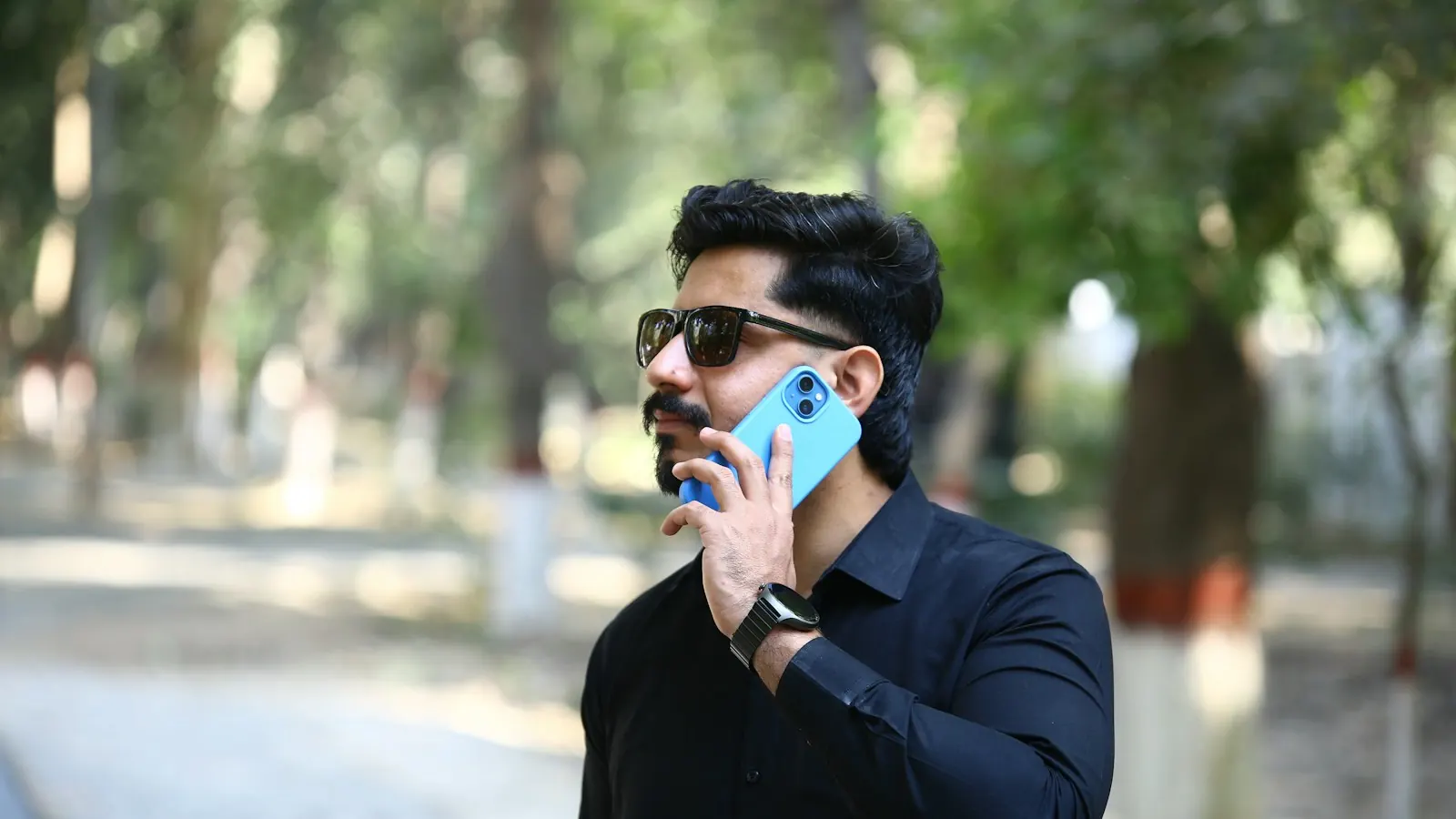
Fix 3: Call within minutes, not hours
Speed matters more than almost anything else on this list. A well-known Harvard Business Review study, "The Short Life of Online Sales Leads" (2011), found that companies that tried to contact a lead within an hour were nearly seven times as likely to have a meaningful conversation with them as companies that waited longer. The same study found many businesses took more than a day to reply, and some never replied at all.
The reason is simple. Right after someone fills in your form, they are thinking about your offer and their phone is in their hand. Two hours later they are at work, driving, or have already filled in a form for your competitor.
- Send leads straight to the person who will call, by email, a Google Sheet or your CRM, so nobody has to download them from Meta.
- Run ads mainly during hours when someone can call back. Leads that arrive at 2 am can wait for a morning message, but don't let them pile up all day.
- Make a short calling script: who you are, which ad they responded to, and one question about what they need.
- If they don't answer, try again the same day and the next morning. Many people pick up on the second or third try.
Fix 4: Follow up on WhatsApp
In India, many people ignore calls from unknown numbers but read every WhatsApp message. After your first call attempt, send a short, friendly message from your business WhatsApp number:
"Hi Priya, this is Rahul from Green Homes. You asked about 2BHK flats in Whitefield. I just tried calling. When is a good time to talk? Here are the floor plans and prices in the meantime."
Mention their name, the business, what they asked about and something useful. That turns a missed call into a conversation they can reply to when they're free.
You can also skip the form entirely and run click-to-WhatsApp ads, where tapping the ad opens a chat with your business. The person has to type or send a message to start, so they are usually more engaged than a form lead. It suits businesses that can reply quickly through the day.
Fix 5: Tell Meta which leads were good
This is the step that changes results over time. Meta only knows that someone submitted a form. It doesn't know that your team spoke to them, booked a site visit or closed a sale, unless you tell it.
Keep a simple record of what happened to every lead: not reachable, not interested, interested, visit booked, sale. If you use a CRM, connect it to Meta. Meta's conversion leads setup lets your campaign learn from these later stages instead of just form submissions. Over a few weeks, the ads shift towards people who resemble the leads who actually picked up and bought.
Even without a CRM connection, the record helps you. You can see which ads, audiences and forms bring reachable leads, and switch off the ones that bring numbers that never answer.
What to measure instead of cost per lead
Cost per lead is easy to see in Ads Manager, which is why people focus on it. It is also the number that misleads you most. Track these instead, even in a spreadsheet:
- Contact rate: out of every 100 leads, how many did you actually speak to?
- Cost per real conversation: ad spend divided by leads you spoke to.
- Cost per visit, booking or trial: whatever the next real step is in your business.
- Cost per customer: the number that tells you whether ads are paying for themselves.
A campaign with ₹120 leads and a 70% contact rate often beats one with ₹40 leads and a 15% contact rate. Only the second set of numbers will tell you that.
Five reasons leads go quiet, and the fix for each
- They didn't mean to enquire. One-tap forms are easy to submit by accident. Fix: use the higher-intent form type with a review step.
- They forgot you. A call the next day reaches someone who has moved on. Fix: call within 15 minutes and WhatsApp straight away.
- They don't recognise the number. Many people ignore unknown callers. Fix: WhatsApp first with your name and business, then call.
- The ad promised something different. A vague or over-hyped ad brings people who lose interest on the call. Fix: be specific about price, place and who it's for.
- They're comparing options. Fix: send something useful after the first contact, such as a price list, photos or a short voice note, so you stay top of mind.
A simple lead tracker you can start today
A shared sheet with these columns is enough: date and time, name, phone, which ad it came from, first contact time, number of attempts, status (new, contacted, qualified, won, lost) and the reason if lost. Review it every Friday. Within a month you'll know which ads bring buyers, which bring tyre-kickers, and how much faster follow-up is worth. Those statuses are also what you send back to Meta so it finds more people like your buyers. See our lead generation ads guide.
Teach Meta what a good lead looks like
Since Meta Andromeda and Meta's newer ranking models, the system is very good at finding people who will submit a form. If every submission counts the same, it hunts for the cheapest ones, including people who never pick up. The fix is to tell Meta which leads were real: keep a simple status for each lead (contacted, qualified, won, lost) and send qualified and won statuses back through the Conversions API. Over time, Meta optimises for people who become customers. Our guide to Andromeda for lead generation shows the setup.
A follow-up script that works
- Within 5 minutes: call. If no answer, send a WhatsApp: "Hi [name], this is [your name] from [business]. You asked about [service] on Instagram. When's a good time for a 5-minute call?"
- After 2 hours: call again.
- Next morning: call and send a short helpful message: price range, a photo or a voice note.
- Day 3: last call and a message with a simple way to book.
- Day 7: a final, friendly check-in. Then mark as lost with a reason.
Track the reason for every lost lead: wrong number, not interested, price, timing. After a month, the reasons tell you whether to change the ad, the form or the offer. See speed to lead and cost per lead.
Self-assessment · about 2 minutes
Why aren't your leads picking up?
Answer for your current Facebook and Instagram lead ads.
1. How quickly do you usually call a new lead?
2. Does your form ask at least one qualifying question?
3. Do your ads mention price, location or who it's for?
4. How many times do you try each lead?
5. Do you track each lead's status and reason if lost?
Answer all 5 questions to see your result (0 done).
Frequently asked questions
Usually, yes, and the cost per lead usually goes up. What tends to improve is the share of leads you can reach and talk to, which is what turns into customers. Judge it by cost per real conversation, not cost per lead.
A website form adds friction, since the person has to load a page and type their details, so leads are fewer but often more serious. It also needs a fast page and proper tracking. Many businesses test both and keep whichever gives the lower cost per customer.
Try at least three times over two days, at different times of day, and send a WhatsApp message after the first missed call. After that, move them to an occasional WhatsApp update rather than more calls. If you'd like us to set up the whole flow, from ad to follow-up, get in touch.